
Finding a sunscreen that feels good on the skin is hard. Many people skip it for that reason. Sun care should feel easy, not heavy.
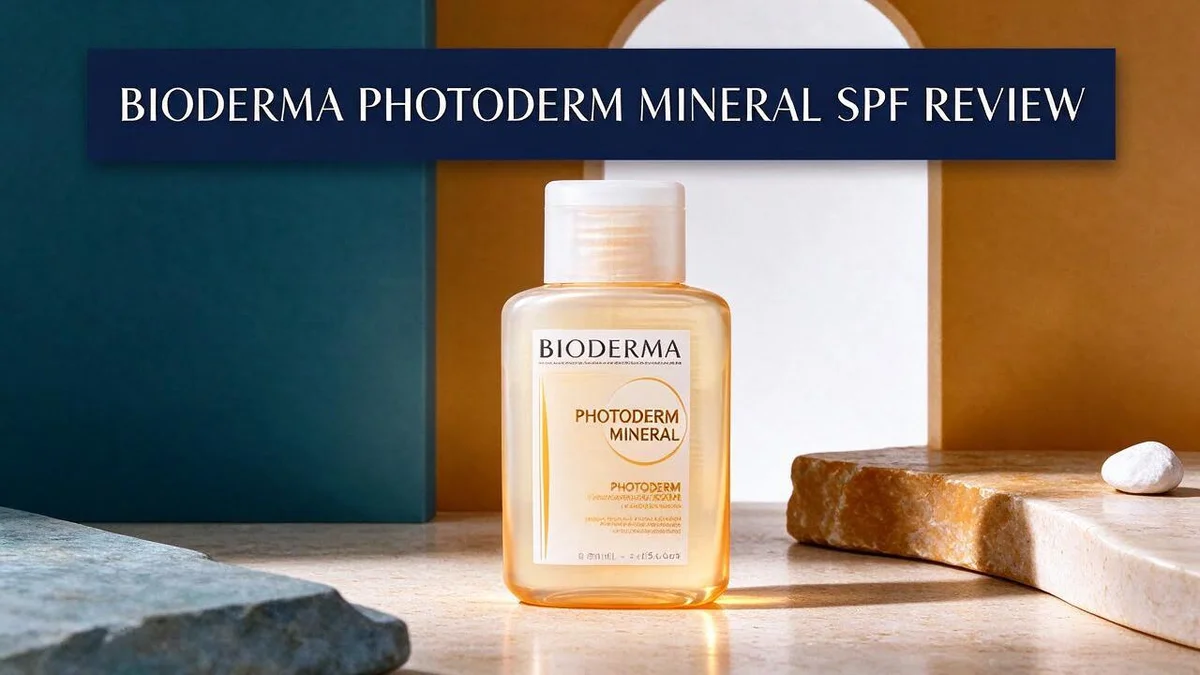
Bioderma Photoderm Mineral is a popular choice for sensitive skin. It comes as a fluid and a spray, and both offer broad spectrum UVA and UVB protection.
The fluid feels light and gentle. Many users say it suits skin that breaks out easily. It can leave a dry finish once it sinks in.
Some users find the untinted spray hard to spread and say it stays beaded on the skin. Others feel the spray works well for them, so the right pick depends on your skin type and your daily routine.
In this review, we cover the ingredients, the pros and cons, and who should try each formula. Keep reading to find the best match for your sun care.
In a Nutshell
- Several formats to choose from: The line includes a 75 g mineral fluid in SPF 50+ and a 100 g mineral spray in SPF 50. Shoppers can also find an SPF 40 spray.
- An oil based fluid: The fluid blends lighter oils like caprylic/capric triglyceride, dicaprylyl ether, and shea oil. This mix helps the formula feel gentle for daily use.
- Spray claims: Reviewers describe the spray as hypoallergenic and free of fragrance, gluten, nickel, and preservatives. This suits people with reactive skin.
- A dry finish for some: One Reddit user says the NUDE Touch sinks in fully and leaves a dry feel.
- An oily start for others: Another user reports that the NUDE Touch feels very oily at first. Give it a few minutes to settle.
- Brand promises: The company also claims protection against sunburn and skin intolerance reactions, plus anti aging benefits.
Key Ingredients
Ingredients shape how any sunscreen feels and performs. Knowing what sits inside the bottle helps you choose wisely.
Water forms the base. Aqua makes up the main body of the fluid. It keeps the texture light and easy to spread across the face.
Emulsifiers keep it stable. Glyceryl isostearate helps oil and water blend together. Without it, the formula could separate over time.
Lightweight esters help with spreading. Dicaprylyl carbonate creates a smooth slip on the skin. This makes each application feel even and comfortable.
Plant oils add softness. Shea oil is known for conditioning dry areas. Soybean oil contains fatty acids that support the skin surface.
Fewer ingredients can mean fewer problems. A short list makes it easier to spot possible triggers. This matters most for people with reactive skin.
Mineral filters do the sun work. Mineral sunscreens usually rely on zinc oxide or titanium dioxide. These filters sit on top of the skin and reflect UV rays.
Check the label, not just the front. Packaging often highlights the best benefits. The full ingredient list tells the real story.
Ingredient order shows concentration. Manufacturers list components by weight, from highest to lowest. So the first items make up most of the formula.
Oil formulas need thorough cleansing. Heavier oils can linger on the skin. A gentle cleanser helps remove sunscreen at the end of the day.
Stability keeps protection consistent. Sunscreen ingredients can break down when exposed to heat. Store the bottle somewhere cool to keep it working well.
Patch testing still matters. Every skin type reacts differently. Test a small area for a few days before using it across your face.
Ingredients give you clues, but your skin gives the final answer. Read the list, test the product, and trust how your skin feels.
Texture and Application
How a sunscreen feels matters just as much as how it protects. If the texture annoys you, you will skip it. The feel of this range suits daily wear for many people.
Apply the fluid with clean fingers. Squeeze a small amount into your palm first. Then dot it across the face before you blend. This method helps the layer spread evenly without tugging at the skin.
Use enough product for real protection. Most adults need about a quarter teaspoon for the face and neck. Many people apply too little, so the SPF in daily life drops.
Give the spray some space. Hold the can about six inches from your skin. Mist a light layer, then rub it in with your hands. Spraying too close can leave heavy spots.
Let it settle before makeup. Wait a minute or two before you add foundation. This short pause helps makeup glide on without rolling or pilling.
Test a small patch first. Dab a little on the jawline or inner wrist for a day. Watch for stinging, redness, or itching before you use it all over.
Reapply every two hours when you stay outside. Sweat, water, and rubbing can wear the layer down faster. Keep a bottle in your bag for quick refreshes.
Match the format to your day. Fluid works well for face care on days with light makeup. Spray suits quick coverage on arms, legs, and the back.
Pay attention to your own skin type too. Oily skin may prefer a thinner layer. Dry skin may enjoy an extra minute of rub time for a softer feel.
Start with a small amount and add more if needed. Your skin will tell you what feels right over a few days. Store both products away from heat, since a hot car or bathroom shelf can change how smooth they feel.
Skin Types and Suitability
Your skin type shapes how any sunscreen feels and works. This section helps you decide if the fluid fits your daily routine.
Oily skin often wants a light texture that does not feel heavy. Many people with oily skin like fluid formulas under makeup.
Dry skin may need extra comfort after time outdoors. Layer a rich moisturizer underneath for steady softness through the day.
Sensitive skin calls for patience and clear labels. Read the full ingredient list and watch how your skin reacts over time.
Combination skin can ask for a mixed approach. Use the fluid on dry areas and a lighter product on shiny spots if needed.
Mature skin benefits from daily protection. Sun exposure adds up over the years, so steady use matters more than occasional care.
Deeper skin tones may notice a pale cast. Mineral filters can leave a visible white tint on some complexions. Test how the finish looks in natural light before you decide.
Fair skin burns quickly in strong sun. Pair your sunscreen with shade, a hat, and sunglasses for extra defense.
Reactive skin needs a closer watch. Stop using the product if you notice stinging, itching, or lasting redness.
Rosacea or eczema can flare with new products. Speak with a dermatologist first so you choose a safe option for your condition.
Kids and teens often have sensitive skin too. Check with a pediatrician before using any sunscreen on young children.
Active lifestyles need a format that stays put. Sweat can break up any film on your skin, so pat your face dry before you reapply after a workout.
Keep notes on your results. Write down how your skin looks after each week of use. This simple habit helps you spot patterns early.
Your skin type sets the starting point. Simple observation over a few weeks shows whether this sunscreen truly fits your needs.
Top 3 Alternatives
EltaMD UV Clear

- CLEAR SUNSCREEN FOR FACE: This lightweight face sunscreen with transparent Zinc Oxide provides broad spectrum SPF 46 protection and helps protect normal and sensitive skin types from UVA and UVB damage without leaving white cast residue behind
- FOR NORMAL, ACNE-PRONE, AND SENSITIVE SKIN TYPES: UV Clear uses an oil-free, non-comedogenic formula that’s designed for daily use on normal, oily, rosacea, and acne-prone skin so you get effective daily sun protection without feeling greasy
Last update on 2026-06-06 / Affiliate links / Images from Amazon Product Advertising API Some of the links on this website are affiliate links, which means that at no additional cost to you, I earn a commission if you click through and make a purchase. I only recommend products and services that I believe will add value to my readers. Thank you for your support!
Many people with sensitive or acne prone skin choose this option. It uses zinc oxide and niacinamide to help calm redness.
It offers broad spectrum protection with a high SPF. The formula feels light and does not leave a heavy white cast. Many users say it sits well under makeup.
Badger Clear Zinc

- MAXIMUM PERFORMANCE MINERAL SUNSCREEN: Broad Spectrum SPF 50 protection using non-nano uncoated Zinc Oxide to shield against UVA & UVB rays, clinically tested safe for sensitive skin, suitable sunblock for face, body, and heavy outdoor activity
- CLEAN & 98% ORGANIC INGREDIENTS: Formulated with just 4 simple ingredients: mineral zinc oxide, organic sunflower oil, organic beeswax, & sunflower vitamin E, making it NSF Certified Organic, non-GMO, gluten-free, and chemical-free
Last update on 2026-11-05 / Affiliate links / Images from Amazon Product Advertising API Some of the links on this website are affiliate links, which means that at no additional cost to you, I earn a commission if you click through and make a purchase. I only recommend products and services that I believe will add value to my readers. Thank you for your support!
This choice suits people who want a simple mineral sunscreen. It relies on zinc oxide as its main active ingredient.
The formula keeps the ingredient list short. Many families use it for daily outdoor play. It also works well for people who prefer plant based skincare.
Neutrogena Sheer Zinc

- SPF 70 broad spectrum sunscreen lotion delivers high UVA/UVB protection for daily use; water resistant for up to 80 minutes to help guard skin during outdoor activities. Apply 15 minutes before sun exposure and reapply as directed.
- Lightweight, oil-free, non-comedogenic Dry-Touch formula absorbs quickly for most users, leaving an ultra-light feel. Finish may vary; some may notice a slight sheen or visible white cast, especially on medium to dark skin tones.

Last update on 2026-05-30 / Affiliate links / Images from Amazon Product Advertising API Some of the links on this website are affiliate links, which means that at no additional cost to you, I earn a commission if you click through and make a purchase. I only recommend products and services that I believe will add value to my readers. Thank you for your support!
This option is easy to find at most drugstores. It uses zinc oxide to shield skin from both UVA and UVB rays.
It leaves a sheer finish that blends into skin. The texture dries quickly, so it feels comfortable through the day. Many shoppers like it for everyday wear, especially on the face.
Sun Protection Performance
Bioderma says the fluid covers both UVA and UVB rays. UVB rays cause sunburn. UVA rays drive deeper skin aging over time.
UVA rays reach through clouds and windows, so protection matters on cloudy days too. The fluid carries an SPF rating of 50 plus. That level suits long hours outdoors, such as beach days or hikes.
The Photoderm line also includes sprays. The Mineral Spray is SPF 50, and the Photoderm Spray is SPF 40. Both list broad spectrum protection on the label. Check the front and back of the box for that wording.
Some users report a different experience with the spray. One Reddit user called the untinted SPF 50 spray disappointing.
That reviewer said the product does not spread well. It stays beaded like water on the skin.
The same reviewer also found little coverage. Thin coverage can leave gaps, so check tricky spots. Ears, hairline, and tops of feet often get missed.
Thin layers offer less protection than the labeled SPF suggests. Most people apply far less than the amount used in testing.
The NUDE Touch tint behaves differently. Another user said it feels very oily at first. Once it settles, it sinks in fully and leaves a dry finish. That early oily feel can make people think the product fails, so give it a few minutes before judging the finish.
Brand claims go beyond sunburn. Bioderma says the range guards against intolerance reactions and signs of aging. Benefits for aging skin take time to show. Daily use over months matters more than one day outdoors.
Compare the spray and the fluid side by side. Each one suits different habits and environments, so choose the format that fits your routine best.
Formats and Pack Sizes
Pack size can shape how often you actually use sunscreen. Bioderma sells several formats in this range. Each one suits a different kind of day.
The Photoderm Mineral Fluide SPF50+ comes in a 75 g size. This smaller size works well for city days and quick errands. It fits easily into a handbag, desk drawer, or gym locker.
Larger sprays suit outdoor plans. The Photoderm Mineral Spray SPF 50 comes in a 100 g can. This size suits beach trips, pool days, and long hikes. Group outings may need extra product too.
The Photoderm Spray SPF 40 gives active people another choice. Sprays cover shoulders, arms, and legs quickly. They also reach the back, which is hard to cover by hand.
Mix formats for the best coverage. Many people pair a fluid for the face with a spray for the body. This split keeps the face product close at hand. It also lets you save the spray for larger areas.
Travel plans shape your choice. Smaller packs usually fit airline cabin bag rules more easily. Always check the rules before you pack. Bring a backup pack for long trips away from home.
Think about how fast you will finish a pack. Heavy daily users need a larger size to avoid running out. Occasional users may prefer a smaller pack that stays fresh. Choose a size that matches your real habits.
Store every format with care. Keep cans and bottles away from hot cars and direct sunlight. Heat can change the texture of any sunscreen. Store it in a cool, dry spot at home.
Read the label before you buy. Each listing shows the exact size in grams. Compare that number with how much you plan to use each week. This quick check helps you avoid waste.
Finally, check the expiry date on each pack. Replace old product even when some remains. Sunscreen works best when it stays fresh.
Pros and Cons
Pros
– Lightweight feel makes it easy to wear under makeup.
– The gentle formula is often chosen by people with acne-prone skin.
– The spray is labeled free of fragrance, gluten, nickel, and preservatives.
– Some users say the NUDE Touch tint sinks in with a dry finish.
– The brand highlights anti-aging benefits alongside sun defense.
Cons
– Soybean and shea oils may not suit people who avoid those plant ingredients.
– Most feedback comes from a small number of user reviews, so results vary.
– The anti-aging and intolerance claims lack independent proof in our research.
– The beaded spray makes it hard to see which areas you have covered.
Who Should Buy It
People with reactive skin often struggle to find a sunscreen that feels calm. This range gives them a gentle option to test first.
Anyone who gets stung by other sunscreens may also benefit. Sweat or dryness can make some formulas burn or itch. A softer option can help you stick with your sun routine.
Shoppers who want broad protection should check the labels closely. The range lists broad spectrum coverage for both UVA and UVB rays. That matters if you spend long hours outside during the middle of the day.
Always run a patch test first. Research did not cover every skin type or every reaction. Apply a small amount behind the ear or on the inner arm. Wait a few days before using it on your whole face or body.
This range may not suit you if you expect a thick, opaque layer of color. Most people choose these products for protection, not coverage. If you want a heavier finish, you may need to layer a separate cosmetic product on top.
People who want an easy daily habit will likely find these options simple to use. Some people apply sunscreen every morning without thinking about it. Others forget it on busy days. A product that feels comfortable on the skin makes it easier to remember.
The best choice depends on your skin, your schedule, and your comfort level. Think about how your skin reacts to other products. Then pick the format that fits your everyday life. Reading the ingredient list before you buy also helps you avoid any known triggers.
Final Verdict
Bioderma Photoderm earns a spot on your shortlist for everyday sun care. It works best for people who want light protection that does not feel heavy.
The fluid feels like the strongest pick for the face. Most of the praise comes from people whose skin breaks out easily or feels sensitive. Still, the feedback pool is small, so your results may differ.
The spray needs more thought before you buy. The version without tint can stay beaded on the skin. Some shoppers say it barely spreads and gives little cover. Apply it slowly and check every area you missed.
Think about your daily routine too. A fluid suits a quick morning habit because it blends well with other products. A spray suits body application after a beach day or a workout.
Hot and humid days can change how any sunscreen behaves on skin. Test the range in your own climate before you rely on it. Winter walks may need less product than a day at the beach. Adjust your amount to match your plans.
Who should skip this range? Anyone who wants a thick, opaque layer of color may feel let down. The tint options offer a soft finish, not heavy coverage. Pick a tinted cream instead if you want more color.
For most people with reactive skin, the fluid offers the clearest reason to buy. Start with the fluid on your face and add the spray for larger body areas. Watch how your skin feels after one full week. A clear result matters more than a quick glance at ratings.
If stinging or itching lasts, stop using the product and talk to a dermatologist. Your comfort matters more than any label or review. Trust how your skin feels, not just the packaging.
Frequently Asked Questions
Where should you spray the body version?
The spray works well on arms, legs, and shoulders. Hold the can at the distance shown on the label. Rub the layer in with your hands so it looks even, since the spray can sit on top of the skin.
How much should you apply to your face?
Most people need a generous layer. A good starting point is about a teaspoon for the face and neck. Skimping often leaves gaps, so use enough to cover every area.
Should you apply it before or after moisturizer?
Apply it as the last step of your skincare routine. Let it set for a few minutes before you add makeup. This order helps the layer sit well on your skin.
Is it safe for children?
The research did not cover children. Check the label for age guidance first. Ask a pediatrician before you use it on a young child, especially if the child has sensitive skin.
Can you use it around the eyes?
The research did not cover use near the eyes. Many people prefer a product made for the eye area. If you still want to try it, keep the product away from your eyes and rinse with water if it gets in them.

