
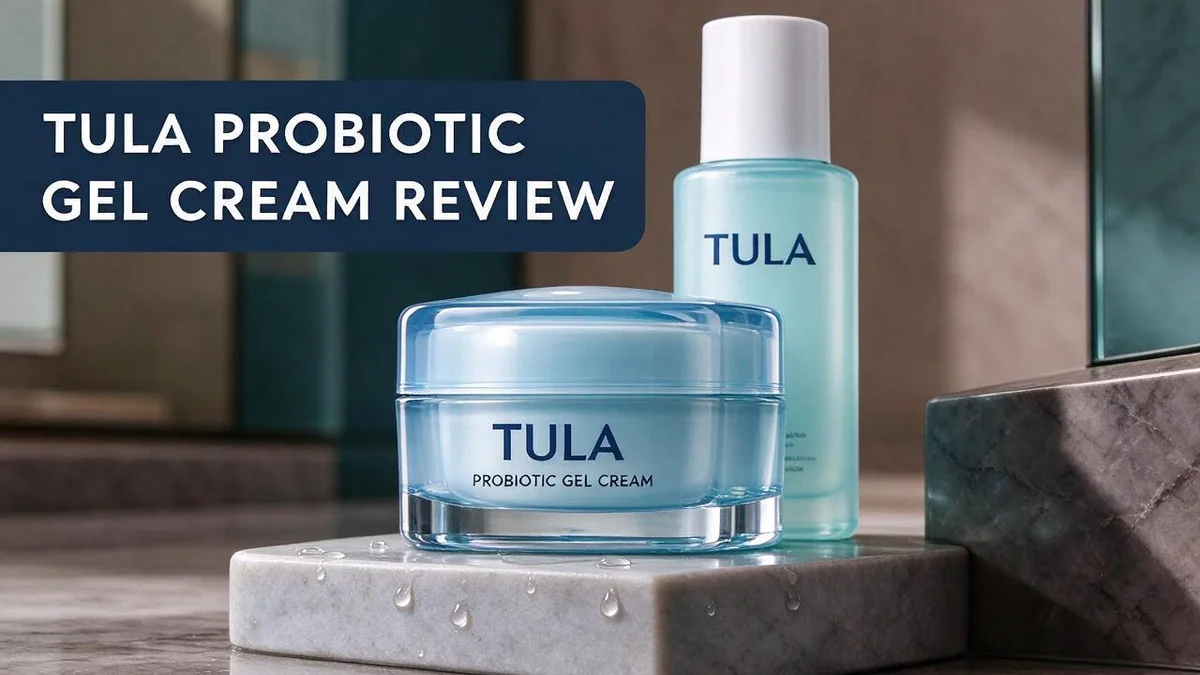
Looking for a gel cream that feels light but still works hard? Many people want skin that looks balanced and calm. TULA Probiotic Gel Cream aims to help with exactly that.
The formula features prebiotics and probiotics. These ingredients support the skin microbiome, which is the community of good bacteria living on your skin. Glycolic acid and lactic acid also appear in the ingredient list.
Reviewers say the texture feels light and oil free. Some people with oily or acne prone skin report fewer breakouts and smoother texture. Others say it feels more like a serum than a cream.
In this review, we look at what this gel cream promises, what users notice, and whether it deserves a spot in your routine.
In a Nutshell
-
Feels more like a serum: Reviewers say this gel cream feels closer to a thick toner or serum than a rich cream or lotion. Anyone who wants heavy moisture may need to layer another product on top.
-
Acids in the mix: The listed ingredients include glycolic acid and lactic acid, which are often used to exfoliate. Peptides also appear on the list, so the formula covers several skin needs at once.
-
Brand backs its claims: TULA says the product is clinically proven to restore the skin’s natural balance. The brand also claims the formula helps strengthen the skin barrier.
-
Good news for breakout concerns: One reader with combination, acne prone skin said it helped prevent breakouts. That report is anecdotal, so results may vary from person to person.
-
Safety score is missing: EWG Skin Deep profiles TULA products, but no score for this specific gel cream was found. Readers can check the EWG website for updates before they decide.
-
Ingredient list may vary: The listed ingredients may belong to a related TULA product rather than this exact gel cream. Always read the label on your own jar to confirm what you get.
Key Ingredients

- Stay balanced and radiant without the weight. This bouncy gel-cream is designed for the active lifestyle, providing the oil control and hydration your skin needs in one breathable, replenishing step.
- Clinically proven to hydrate for 24 hours and reduce the appearance of excess oil and pores for a matte finish.
Last update on 2026-10-26 / Affiliate links / Images from Amazon Product Advertising API Some of the links on this website are affiliate links, which means that at no additional cost to you, I earn a commission if you click through and make a purchase. I only recommend products and services that I believe will add value to my readers. Thank you for your support!
Ingredients shape how a gel cream works. This formula pairs acids, prebiotics, probiotics, and peptides. Each group has a different job for the skin.
Glycolic acid has tiny molecules. These small molecules can slip past the surface more easily. Many people like this for a smoother look over time.
Lactic acid works more gently. It is a larger molecule, so it often feels kinder to sensitive skin. It also helps the skin hold on to water.
Prebiotics feed the good bacteria. Your skin hosts a community of microbes. Prebiotics help those helpful microbes stay active and balanced.
Probiotics add friendly bacteria to the mix. The idea is simple. A balanced microbiome may help skin feel calmer and less reactive.
Peptides act as messengers. They send signals that may support firmness. Think of them as short chains of amino acids that help skin look more supple.
Use a patch test first. Acids can sting if your skin is very dry or irritated. Test a small area behind your ear for a day or two.
Pair it with daily sunscreen. Exfoliating acids can make skin more sensitive to sunlight. A broad spectrum sunscreen each morning keeps results on track.
Layer it with care. Apply this gel after cleansing and before heavier moisturizers. Let it sink in for a minute so the layers do not pill.
Look for a balanced routine. Acids and probiotics work best when your routine stays gentle. Skip harsh scrubs on the same night.
Check the label before you buy. Research suggests these listed ingredients may belong to a related TULA product. Compare the full ingredient list on the packaging you receive.
Watch for changes over several weeks. Skin often needs time to respond to new actives. Keep notes on texture, redness, and breakouts so you can judge the results fairly.
Texture and Application
Applying this gel cream takes less than a minute. Start with clean skin that is still slightly damp. Damp skin helps the formula spread smoothly and sink in quickly.
Less is often more here. A small dot is enough for the whole face. Using too much can leave a sticky film that lingers.
Warm it between your fingertips first. Warmth helps the gel melt into a thin layer. Then press it into the skin instead of rubbing hard.
Pay attention to the texture as it sets. Many users notice a cool, slightly tacky feel at first. This feeling fades within a minute or two as the formula settles.
Give it a moment before moving on. Wait about one minute before adding other products. This gives the gel time to absorb and prevents pilling.
Layering order matters. Apply this product after toners and before heavier moisturizers. Lighter products go on first, so each layer can absorb properly.
Morning and night both work well. Many people use it after cleansing in the evening. In the morning, many people apply it before sunscreen because it feels light.
Watch how your skin responds over time. Track how your skin feels after a week or two. Note any dryness, redness, or calm feeling so you know if it suits your routine.
Think about your skin type before daily use. Oily and combination skin often adapt quickly to a light gel. Dry skin may need a richer cream on top for extra comfort.
Store it in a cool spot. Heat can soften the gel and change its feel. Keep the lid closed tightly after each use so air stays out.
A simple routine gives the best results. Consistent use helps you learn how this gel cream feels on your skin. Give it a few weeks before you decide whether it fits your needs.
Skin Types and Suitability
Every skin type has its own needs. This gel cream suits some types better than others. Knowing your skin helps you decide if it fits your routine.
Oily skin tends to benefit most. The formula feels light and contains no oil. One reviewer said it suits oily skin well.
Heavy creams can feel greasy on hot or humid days. This gel offers a lighter option when your skin already makes plenty of its own oil.
Combination skin can also work well. Use the gel on oily areas like the nose and chin. Drier cheeks may need an extra layer on top.
Dry skin usually needs more support. The texture feels closer to a serum or thick toner than a cream. Most people with dry skin will want to follow it with a richer moisturizer.
Normal skin often adapts well to new products. This gel can slide into a simple daily routine. It acts as a light step for balanced skin.
Mature skin often looks for smoother texture and a more even feel. Many people notice gradual changes with steady use. Results vary from person to person.
Skin tone and climate also play a role. Warm, humid areas may suit this light texture better than cold, dry air. Your local weather can change how the gel feels on your face.
Who should skip it? People who love thick, rich creams may feel let down. The gel feels thin, so it may not satisfy very dry skin alone.
Think about your daily routine too. If you already use strong acids or retinoids, ask a skin professional before adding more actives. If your skin reacts easily to new products, start slowly and watch how it responds over several days.
Top 3 Alternatives
CeraVe Moisturizing Cream

- [ HYALURONIC ACID MOISTURIZER ] With hyaluronic acid, ceramides and MVE technology for 24 hour hydration. Rich, velvety texture that leaves skin feeling smooth, it is absorbed quickly for softened skin without greasy, sticky, feel.
- [ MOISTURIZER FOR DRY SKIN ] A deficiency of ceramides in skin can often be associated with dry skin, which can feel itchy and look flaky. CeraVe Moisturizing Cream is formulated with three essential ceramides & hyaluronic acid.

Last update on 2026-05-31 / Affiliate links / Images from Amazon Product Advertising API Some of the links on this website are affiliate links, which means that at no additional cost to you, I earn a commission if you click through and make a purchase. I only recommend products and services that I believe will add value to my readers. Thank you for your support!
CeraVe Moisturizing Cream is a simple choice for dry skin. It contains ceramides and hyaluronic acid.
These ingredients help restore the skin barrier and hold in moisture. Many people with sensitive skin find it calm and comfortable. It is fragrance free, which suits reactive skin. It also works well as a night cream. A small amount goes a long way for daily use.
Neutrogena Hydro Boost

- Neutrogena Hydro Boost Water Gel Face Moisturizer with signature fragrance instantly delivers weightless hydration that goes deep* (*within skin’s surface) for juicy, deeply hydrated skin
- Ideal for normal to oily skin types and gently formulated for everyday use. This daily face moisturizer is clinically-proven to lock in hydration for 24 hours and keeps skin looking smooth, supple and hydrated day after day
Last update on 2026-05-28 / Affiliate links / Images from Amazon Product Advertising API Some of the links on this website are affiliate links, which means that at no additional cost to you, I earn a commission if you click through and make a purchase. I only recommend products and services that I believe will add value to my readers. Thank you for your support!
Neutrogena Hydro Boost is a lightweight gel cream that feels fresh. It uses hyaluronic acid to draw water into the outer layers of skin.
Your skin feels plump and smooth after use. This option suits oily or combination skin that needs hydration without heaviness. Fans say it leaves no sticky residue. It sinks in fast, so makeup goes on smoothly. Gel textures also suit warm weather and humid days.
Kiehl’s Ultra Facial Cream

- DAILY HYDRATING MOISTURIZER: Our #1 face cream provides 72-hour hydration for all skin types. This formula helps to replenish moisture loss, repair skin barrier, and deeply hydrate skin. Tested in extreme conditions and safe for ezcema-prone skin.
- EFFECTIVE FORMULA: Formulated with Pro-Ceramides and Squalene, this formula is proven to reinforce skin's barrier strength and absorb easily into skin. These ingredients are shown to hydrate, smooth, and soften skin while strengthing the skin.
Last update on 2026-10-26 / Affiliate links / Images from Amazon Product Advertising API Some of the links on this website are affiliate links, which means that at no additional cost to you, I earn a commission if you click through and make a purchase. I only recommend products and services that I believe will add value to my readers. Thank you for your support!
Kiehl’s Ultra Facial Cream gives long-lasting hydration for daily wear. It includes squalane and glycerin to support a soft, healthy look.
Many fans love its clean scent and rich feel. It suits anyone who wants a classic cream with a luxury touch. It works for both men and women. Dry winter days feel much easier with this cream on hand. Use it morning and night for the best results.
Results and Effectiveness
Results from this gel cream can vary from person to person. The brand says it is clinically proven to restore skin’s natural balance and strengthen the skin barrier. However, the research we found does not share the study details, so these claims are hard to verify.
Reviews offer a softer view. One combination and acne prone user reported fewer breakouts and smoother texture over time. That report is anecdotal, so it shows one experience, not a guaranteed outcome.
Set your expectations early. Many people wait several weeks before they judge a new skincare step. Keep your routine simple so you can see what the gel actually does.
Track your skin with a few easy habits. Take a photo in the same light each week. Note how your pores, shine, and texture feel each morning.
Look for signs of progress. Less shine by midday, fewer rough patches, and smoother makeup application are good signs. Redness or stinging is not a sign of progress. Stop using the product and speak with a doctor if irritation continues.
The lack of cons in the research does not mean the product works for everyone. Limited independent testing means results remain uncertain. Think of this gel cream as a helpful step, not a cure for stubborn skin concerns.
Consistency matters more than intensity. Using the gel daily gives it a fair chance. Skipping days makes it hard to know what caused a change.
Your results also depend on your starting skin, your climate, and your other products. A gentle cleanser and daily sunscreen may support results just as much as the gel itself.
Be patient with progress that seems small. A slight improvement in smoothness can matter a lot over a month. Write down your notes so you can spot patterns.
Finally, judge the gel by how it fits your life. If it feels easy to use and your skin feels calm, that is a meaningful result for many people.
Brand Claims and Clean Positioning
TULA presents this gel cream as clean skincare with prebiotics and skin actives. The brand says these ingredients support the skin microbiome. Think of the microbiome as the community of helpful microbes that live on your skin.
Clean is a marketing word. It has no single legal meaning. Each brand sets its own rules for what clean means. Read the label yourself before you decide.
The research lists glycolic acid, lactic acid, prebiotics, probiotics, and peptides. Glycolic and lactic acids gently exfoliate dead skin cells. Prebiotics feed good bacteria. Probiotics add live microbes to the surface. Peptides support skin structure.
Check the ingredient list on your own jar. The research list came from an online listing. It may belong to a related TULA product. Matching ingredients to your exact item protects you from surprises.
The brand also says the gel is clinically proven to restore natural balance and strengthen the skin barrier. That is a strong promise.
Clinical proof usually means a study with real people. Ask who ran the study, how long it lasted, and whether it tested this exact formula.
Independent reviews add another check. EWG Skin Deep lists TULA products, but no score for this gel cream appeared in the research. Search the database with the exact product name.
Sun safety matters with acids. Acids can make skin more sensitive to sunlight. Wear sunscreen every morning when you use this product. Your skin will thank you later.
Clean labels should match your goals. Pick a product because its ingredients fit your needs, not because the word clean sounds nice.
Brand claims give you a starting point. Your own skin gives the final answer. Compare the brand promise with what you see.
Look for transparency. Good brands share full ingredient lists, test details, and clear claims. Vague words without proof deserve extra doubt.
Clean skincare works best when facts back it up.
Pros and Cons
Pros
- It feels light on the skin and sits well under other products.
- It is oil free, which many people with oily skin prefer.
- Reviewers say it suits oily and combination skin types.
- One acne prone user saw fewer breakouts over time.
- It includes prebiotics and probiotics for skin balance.
Cons
- Only a small number of reviews are available to check.
- Glycolic and lactic acid may sting very sensitive skin at first.
- Layering it with other active products may cause irritation.
- Anyone expecting a full cream feel may need a moisturizer on top.
Who Should Buy It
Think about your skin type before you add any new step. This gel may suit people who like light textures. It can work well for those who dislike heavy creams.
Some people may want to try it first. Readers who are new to active ingredients may appreciate a gentle start.
Shoppers with a busy routine may like its simplicity. A single jar can slot into a short morning or evening plan.
Others may want a richer option. People with very dry or flaky skin may need a thicker product, especially in winter. A night cream could serve them better.
Sensitive skin needs extra care. Anyone with reactive skin should patch test first. Apply a small amount on the inner arm for several days. Watch for redness or itching before you use it on your face.
Think about your sunscreen habit too. Many routines end with sunscreen in the morning. Pair this gel with a broad spectrum sunscreen that feels comfortable on your skin.
Warm and humid weather often calls for light products. People in those areas may find the texture especially comfortable.
Who should skip it? Shoppers who want a dense cream for harsh cold weather may prefer another choice. Let us be honest about that fit.
A quick check helps you decide. Ask yourself what your skin needs most. If you want light hydration and a simple step, this gel may be a good match.
The right buyer knows their skin. When your needs match the gel, it can become a helpful part of your routine.
Final tip: Read the ingredient list on your jar. If you have a skin condition, speak with a dermatologist before you start.
Final Verdict
Our final verdict is positive but cautious. TULA Probiotic Gel Cream offers a light feel and a clear purpose. It suits people who want a simple step with gentle actives.
The brand makes strong claims about balance and barrier support. Your own skin decides whether those claims work for you. Watch how your skin looks and feels over time.
Start with a patch test. Apply a small amount along your jaw for three days. If your skin stays calm, you can add it to your routine.
Set one clear goal before you begin. Pick a single problem to track, such as dullness or rough texture. Take notes each week.
Notes help you see real changes. Guessing rarely shows the full story.
Keep your expectations realistic. One jar cannot replace a full skincare plan. Pair it with a gentle cleanser, a moisturizer, and sunscreen.
Compare it with your current favorites. Look at how your current moisturizer feels after a week. If it feels too heavy or too thin, adjust your choice.
Small changes can make a big difference.
Who may want to skip it? People with very dry skin may miss the cushion they need. Those with a sensitive history should speak with a dermatologist first.
Think about your daily habits too. A short routine fits busy mornings. A longer ritual may suit a richer product better.
Choose the option that you will use every day.
Reviews for this gel cream are few, so keep learning. Read new feedback as it arrives. Compare it with your own notes.
Bottom line: This gel cream works well for light texture fans who want a simple start.
Test it slowly and track your progress. Your skin will show you whether it is the right match.
Frequently Asked Questions
Does the ingredient list match my jar?
Not always. The research notes that the listed ingredients may belong to a related TULA product. Check the label on your own jar to confirm what it contains.
Can I use it every day?
Daily use is common for gel creams. Start with once a day so your skin can adjust. Increase only if your skin feels calm.
Where does it fit in my routine?
Apply it after cleansing and toning, while your skin is still slightly damp. Use it before heavier creams or oils. This order helps the gel absorb well.
What does “clinically proven” mean for this product?
TULA says its studies support claims about skin balance and barrier strength. The research did not include details about those studies. Look for study details on the brand website if this matters to you.
Who should ask a dermatologist first?
People with eczema, rosacea, or broken skin should speak with a skin doctor first. Ask a professional before using any product with acids if your skin reacts easily.

